Buy speechtherapist.eu ?
We are moving the project
speechtherapist.eu .
Are you interested in purchasing the domain
speechtherapist.eu ?
domain@kv-gmbh.de · 0541-91531010
Buy speechtherapist.eu ?
What are the complex ideas of John Locke?
John Locke's complex ideas revolve around his theories of natural rights, social contract, and the state of nature. He argued that individuals have natural rights to life, liberty, and property, and that these rights are inherent and inalienable. Locke also proposed the idea of a social contract, in which individuals agree to form a government to protect their natural rights. Additionally, he discussed the state of nature, suggesting that in the absence of government, individuals are free and equal, but also potentially vulnerable to conflict. These complex ideas have had a significant impact on political philosophy and the development of modern democratic societies. **
What are the object ideas and ideas of the mind of John Locke?
John Locke's object ideas are the external objects that exist in the physical world, which are perceived through our senses. These object ideas are the basis of our knowledge and understanding of the world around us. On the other hand, the ideas of the mind in Locke's philosophy are the internal mental representations of these object ideas, which are formed through reflection and introspection. Locke believed that our ideas are derived from our experiences and interactions with the external world, and that our understanding of reality is constructed through these ideas. **
Similar search terms for John-Murray-Rebel-Ideas
Top-Angebote
Products related to John-Murray-Rebel-Ideas:
-
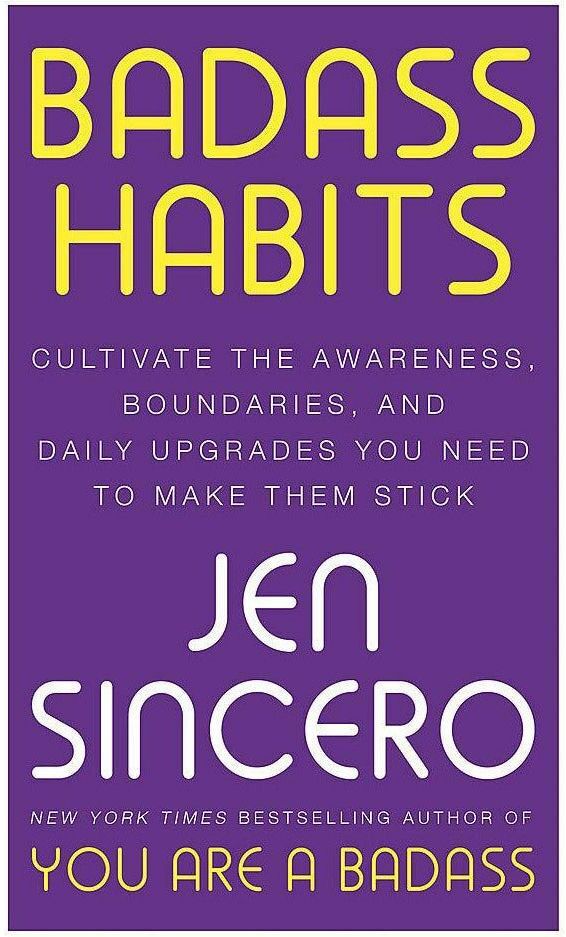
John Murray Badass Habits by Jen SinceroBadass Habits is a eureka-sparking, easy-to-digest look at how our habits make us who we are, from the measly moments that happen in private to the resolutions we loudly broadcast (and, erm, often do not keep) on social media.Habit busting and building goes way beyond becoming a dedicated flosser or never showing up late again--our habits reveal our unmet desires, the gaps in our boundaries, our level of self-awareness, and our unconscious beliefs and fears. Badass Habits features Jen trademark hilarious voice and offers a much-needed fresh take on the conventional wisdom and science that shape the optimism (or pessimism) around the age-old topic of habits.The book includes enlightening interviews with people who have successfully strengthened their discipline backbones, new perspective on how to train our brains to become our best selves, and offers a simple, 21 day, step-by-step guide for ditching habits that do not serve us and developing the habits we deem most important.Habits should not be impossible to reset--and with healthy boundaries, knowledge of--and permission to go after--our desires, and an easy to implement plan of action, we can make any new goal a joyful habit.1,99 £*Shipping: 1,99 £Secure redirect to the provider
-
John Murray Word Perfect: Etymological Entertainment Every DayWelcome to a year of wonder with Susie Dent, lexicographer, logophile, and longtime queen of Countdown's Dictionary Corner. From the real Jack the Lad to the theatrically literal story behind stealing someone's thunder, from tartle (forgetting someone's name at the very moment you need it) to snaccident (the unintentional eating of an entire packet of biscuits), WORD PERFECT is a brilliant linguistic almanac full of unforgettable stories, fascinating facts, and surprising etymologies tied to every day of the year. You'll never be lost for words again.6,99 £*Shipping: 2,99 £Secure redirect to the provider
-
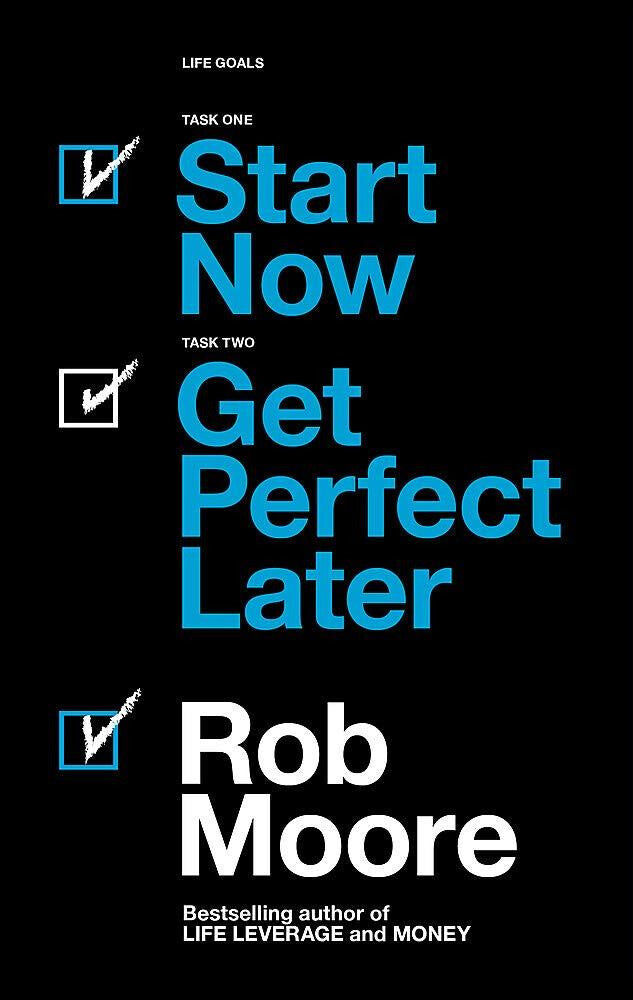
John Murray Start Now. Get Perfect Later by Rob MooreHardly anyone gets it right the first time, but many of us are crippled by indecision and fear of failure. The desire to get it right can inhibit us from getting started. In this book Rob Moore, the bestselling author of MONEY, shows that the quickest way to perfect is starting right now and improving as you go. This book will show you how to launch your business or idea, begin the next phase of your career, and overcome self-doubt - right away. Get perfect later, get started NOW.4,89 £*Shipping: 1,99 £Secure redirect to the provider
-
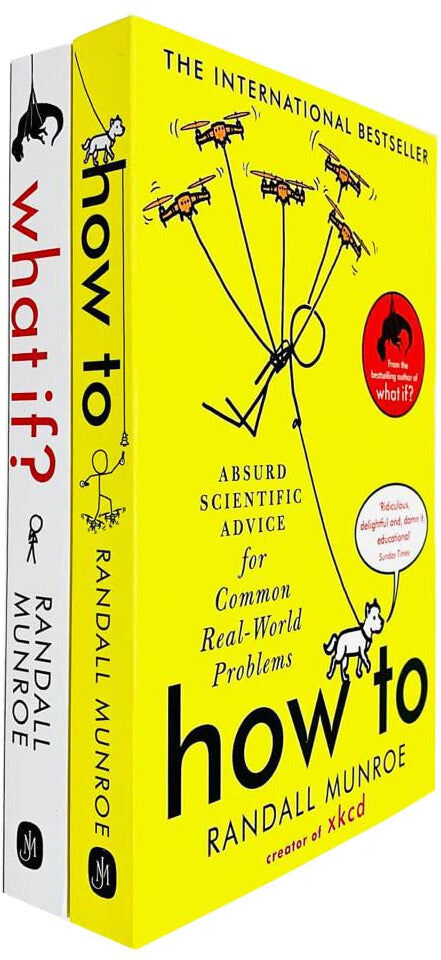
John Murray Randall Munroe Collection 2 Books Set (How To & What If?)Randall Munroe Collection 2 Books Set (How To & What If?): How To: The world's most entertaining and useless self-help guide, from the brilliant mind behind the wildly popular webcomic xkcd and the million-selling What If? and Thing Explainer. For any task you might want to do, there's a right way, a wrong way, and a way so monumentally bad that no one would ever try it. How To is a guide to the third kind of approach. It's full of highly impractical advice for everything from landing a plane to digging a hole. What If?: From the creator of the wildly popular xkcd.com, hilarious and informative answers to important questions you probably never thought to ask. Millions visit xkcd.com each week to read Randall Munroe's iconic webcomic. Fans ask him a lot of strange questions: How fast can you hit a speed bump, driving, and live? When (if ever) did the sun go down on the British Empire? When will Facebook contain more profiles of dead people than living? How many humans would a T Rex rampaging through New York need to eat a day?11,45 £*Shipping: 2,99 £Secure redirect to the provider

-
What are John Locke's ideas regarding Enlightenment and Liberalism?
John Locke was a key figure in the Enlightenment and a major proponent of liberalism. He believed in the power of reason and the importance of individual rights and freedoms. Locke's ideas laid the foundation for modern liberal democracy, emphasizing the social contract between the government and the people, and the protection of natural rights such as life, liberty, and property. He also advocated for limited government and the separation of powers, which are fundamental principles of liberal political thought. Overall, Locke's ideas regarding Enlightenment and liberalism emphasized the importance of individual autonomy, reason, and the protection of rights within a democratic society. **
-
How do the empirical ideas of David Hume and John Locke differ?
The empirical ideas of David Hume and John Locke differ in their approach to the nature of human knowledge and the role of experience in shaping it. Locke believed that all knowledge comes from sensory experience, and that the mind is a blank slate at birth, while Hume argued that our knowledge is limited to what we can perceive through our senses, and that our understanding is shaped by our experiences and the associations we make between them. Additionally, Hume's skepticism led him to question the possibility of certain knowledge, while Locke was more optimistic about the potential for human understanding through empirical means. **
-
In which language is spoken in St. John, New Brunswick?
English is the primary language spoken in St. John, New Brunswick. However, due to its diverse population, you may also hear French being spoken in certain areas of the city. Overall, English is the predominant language used for communication in St. John. **
-
What is the youth language in the ballad John Maynard?
The youth language in the ballad John Maynard is characterized by its use of slang and informal expressions. The young people in the ballad speak in a lively and spirited manner, using colloquial language and expressions that reflect their energy and enthusiasm. This youth language adds to the overall dynamic and vibrant atmosphere of the ballad, capturing the spirit of the young characters in the story. **
What are some ideas about digital communication and dependency?
Digital communication has become an integral part of our daily lives, allowing us to connect with others instantly and access information at our fingertips. However, this convenience has also led to a growing dependency on digital communication, with many people feeling the need to constantly check their devices and stay connected. This dependency can lead to issues such as decreased face-to-face interaction, difficulty disconnecting from work, and increased anxiety and stress from constantly being plugged in. It's important to find a balance and set boundaries with digital communication to avoid becoming overly dependent on it. **
What are some ideas for a speech therapy school cone?
Some ideas for a speech therapy school cone could include incorporating speech therapy tools and symbols such as speech bubbles, sound waves, or speech therapy exercises. You could also include images of children or adults practicing speech exercises or working with a speech therapist. Another idea could be to have a cone that is shaped like a megaphone or microphone to represent the focus on communication and speech improvement. Additionally, using bright colors and playful fonts can make the cone more engaging and appealing to students. **
Top-Angebote
Products related to John-Murray-Rebel-Ideas:
-
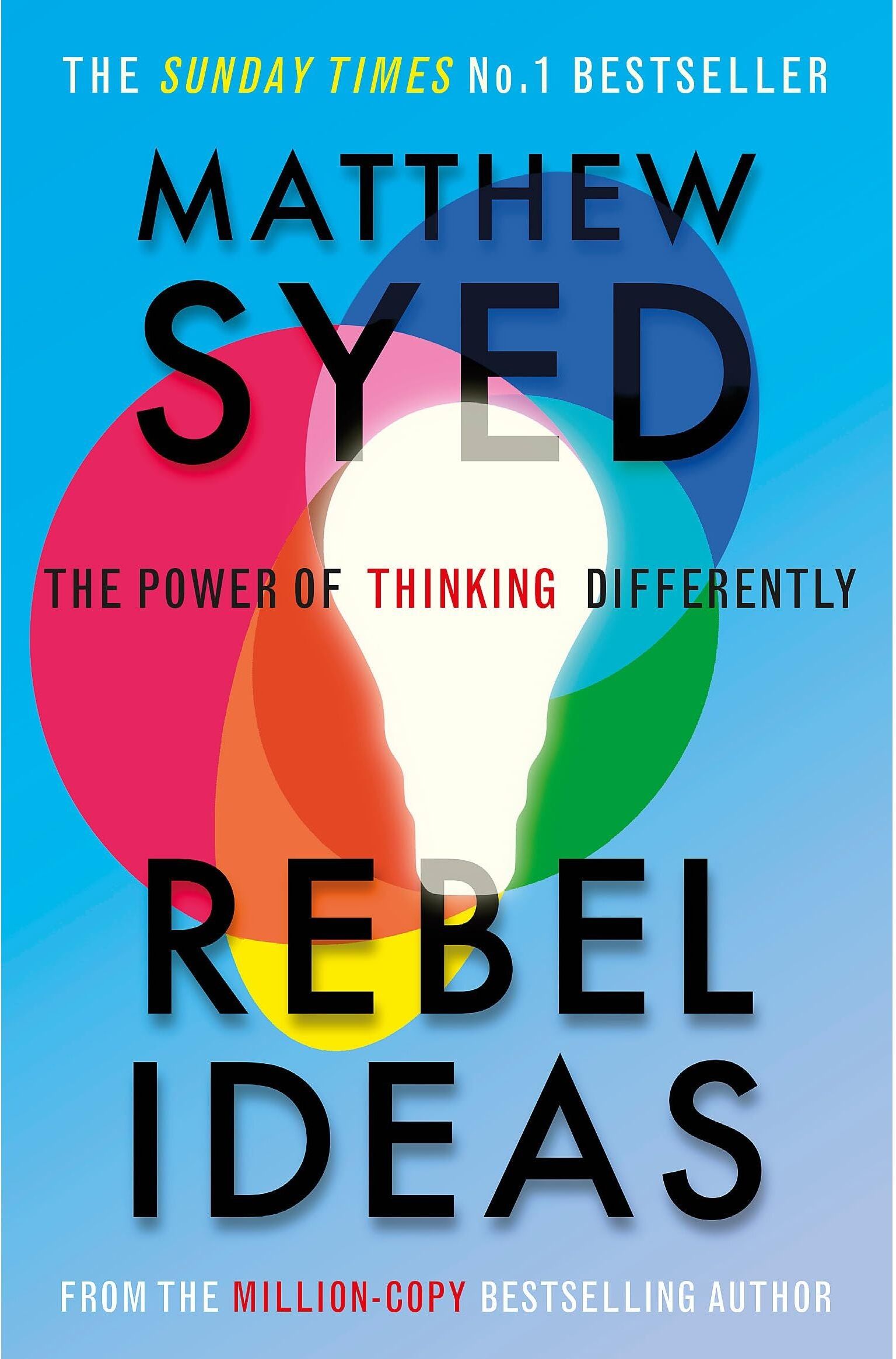
John Murray Rebel Ideas by Matthew Syed – The Power of Thinking DifferentlyRebel Ideas examines the power of 'cognitive diversity' - the ability to think differently about the world around us. It explains how to harness our unique perspectives, pool our collective intelligence and tackle the greatest challenges of our age - from climate change to terrorism. It draws on a dazzling range of case studies, including the catastrophic failings of the CIA before 9/11, a fatal communication breakdown on top of Mount Everest and a moving tale of deradicalisation in America's Deep South. Rebel Ideas will strengthen any team or organisation, but has dozens of individual applications, too: from the art of reinvention to the remarkable benefits of personalised nutrition. It shows us how to become more creative, how to collaborate in a world becoming more interconnected, and how to break free of echo chambers that surround us all.4,99 £*Shipping: 1,99 £Secure redirect to the provider
-
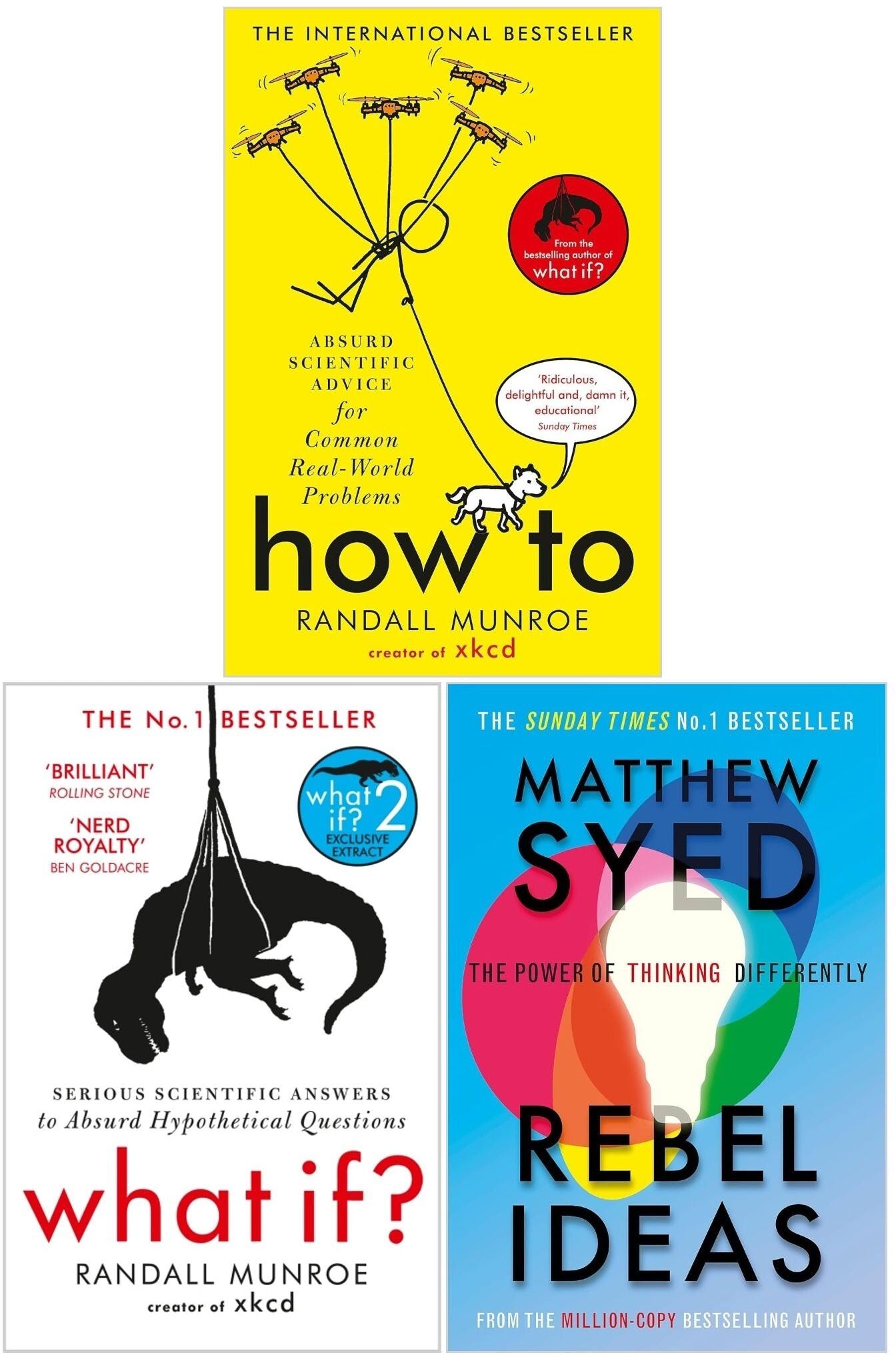
John Murray Rebel Ideas, How To & What If? 3 Book Set by Matthew Syed & Randall MunroeRebel Ideas, How To and What If? Collection 3 Books Set by Randall Munroe & Matthew Syed What If?: Serious Scientific Answers to Absurd Hypothetical Questions by Randall Munroe Millions visit xkcd.com each week to read Randall Munroe's iconic webcomic. Fans ask him a lot of strange questions: How fast can you hit a speed bump, driving, and live? When (if ever) did the sun go down on the British Empire? When will Facebook contain more profiles of dead people than living? How many humans would a T Rex rampaging through New York need to eat a day? In pursuit of answers, Munroe runs computer simulations, pores over stacks of declassified military research memos, solves differential equations and consults nuclear reactor operators. His responses are masterpieces of clarity and hilarity, complemented by comics. They often predict the complete annihilation of humankind, or at least a really big explosion. How To: Absurd Scientific Advice for Common Real-World Problems by Randall Munroe The world's most entertaining and useless self-help guide, from the brilliant mind behind the wildly popular webcomic xkcd and the million-selling What If? and Thing Explainer For any task you might want to do, there's a right way, a wrong way, and a way so monumentally bad that no one would ever try it. How To is a guide to the third kind of approach. It's full of highly impractical advice for everything from landing a plane to digging a hole. Rebel Ideas: The Power of Thinking Differently by Matthew Syed Rebel Ideas examines the power of 'cognitive diversity' - the ability to think differently about the world around us. It explains how to harness our unique perspectives, pool our collective intelligence and tackle the greatest challenges of our age - from climate change to terrorism. It draws on a dazzling range of case studies, including the catastrophic failings of the CIA before 9/11, a fatal communication breakdown on top of Mount Everest and a moving tale of deradicalisation in America's Deep South. Rebel Ideas will strengthen any team or organisation, but has dozens of individual applications, too: from the art of reinvention to the remarkable benefits of personalised nutrition. It shows us how to become more creative, how to collaborate in a world becoming more interconnected, and how to break free of echo chambers that surround us all.15,99 £*Shipping: 2,99 £Secure redirect to the provider
-
John Murray Badass Habits by Jen SinceroBadass Habits is a eureka-sparking, easy-to-digest look at how our habits make us who we are, from the measly moments that happen in private to the resolutions we loudly broadcast (and, erm, often do not keep) on social media.Habit busting and building goes way beyond becoming a dedicated flosser or never showing up late again--our habits reveal our unmet desires, the gaps in our boundaries, our level of self-awareness, and our unconscious beliefs and fears. Badass Habits features Jen trademark hilarious voice and offers a much-needed fresh take on the conventional wisdom and science that shape the optimism (or pessimism) around the age-old topic of habits.The book includes enlightening interviews with people who have successfully strengthened their discipline backbones, new perspective on how to train our brains to become our best selves, and offers a simple, 21 day, step-by-step guide for ditching habits that do not serve us and developing the habits we deem most important.Habits should not be impossible to reset--and with healthy boundaries, knowledge of--and permission to go after--our desires, and an easy to implement plan of action, we can make any new goal a joyful habit.1,99 £*Shipping: 1,99 £Secure redirect to the provider
-
John Murray Word Perfect: Etymological Entertainment Every DayWelcome to a year of wonder with Susie Dent, lexicographer, logophile, and longtime queen of Countdown's Dictionary Corner. From the real Jack the Lad to the theatrically literal story behind stealing someone's thunder, from tartle (forgetting someone's name at the very moment you need it) to snaccident (the unintentional eating of an entire packet of biscuits), WORD PERFECT is a brilliant linguistic almanac full of unforgettable stories, fascinating facts, and surprising etymologies tied to every day of the year. You'll never be lost for words again.6,99 £*Shipping: 2,99 £Secure redirect to the provider
-
What are the complex ideas of John Locke?
John Locke's complex ideas revolve around his theories of natural rights, social contract, and the state of nature. He argued that individuals have natural rights to life, liberty, and property, and that these rights are inherent and inalienable. Locke also proposed the idea of a social contract, in which individuals agree to form a government to protect their natural rights. Additionally, he discussed the state of nature, suggesting that in the absence of government, individuals are free and equal, but also potentially vulnerable to conflict. These complex ideas have had a significant impact on political philosophy and the development of modern democratic societies. **
-
What are the object ideas and ideas of the mind of John Locke?
John Locke's object ideas are the external objects that exist in the physical world, which are perceived through our senses. These object ideas are the basis of our knowledge and understanding of the world around us. On the other hand, the ideas of the mind in Locke's philosophy are the internal mental representations of these object ideas, which are formed through reflection and introspection. Locke believed that our ideas are derived from our experiences and interactions with the external world, and that our understanding of reality is constructed through these ideas. **
-
What are John Locke's ideas regarding Enlightenment and Liberalism?
John Locke was a key figure in the Enlightenment and a major proponent of liberalism. He believed in the power of reason and the importance of individual rights and freedoms. Locke's ideas laid the foundation for modern liberal democracy, emphasizing the social contract between the government and the people, and the protection of natural rights such as life, liberty, and property. He also advocated for limited government and the separation of powers, which are fundamental principles of liberal political thought. Overall, Locke's ideas regarding Enlightenment and liberalism emphasized the importance of individual autonomy, reason, and the protection of rights within a democratic society. **
-
How do the empirical ideas of David Hume and John Locke differ?
The empirical ideas of David Hume and John Locke differ in their approach to the nature of human knowledge and the role of experience in shaping it. Locke believed that all knowledge comes from sensory experience, and that the mind is a blank slate at birth, while Hume argued that our knowledge is limited to what we can perceive through our senses, and that our understanding is shaped by our experiences and the associations we make between them. Additionally, Hume's skepticism led him to question the possibility of certain knowledge, while Locke was more optimistic about the potential for human understanding through empirical means. **
Similar search terms for John-Murray-Rebel-Ideas
-
John Murray Start Now. Get Perfect Later by Rob MooreHardly anyone gets it right the first time, but many of us are crippled by indecision and fear of failure. The desire to get it right can inhibit us from getting started. In this book Rob Moore, the bestselling author of MONEY, shows that the quickest way to perfect is starting right now and improving as you go. This book will show you how to launch your business or idea, begin the next phase of your career, and overcome self-doubt - right away. Get perfect later, get started NOW.4,89 £*Shipping: 1,99 £Secure redirect to the provider
-
John Murray Randall Munroe Collection 2 Books Set (How To & What If?)Randall Munroe Collection 2 Books Set (How To & What If?): How To: The world's most entertaining and useless self-help guide, from the brilliant mind behind the wildly popular webcomic xkcd and the million-selling What If? and Thing Explainer. For any task you might want to do, there's a right way, a wrong way, and a way so monumentally bad that no one would ever try it. How To is a guide to the third kind of approach. It's full of highly impractical advice for everything from landing a plane to digging a hole. What If?: From the creator of the wildly popular xkcd.com, hilarious and informative answers to important questions you probably never thought to ask. Millions visit xkcd.com each week to read Randall Munroe's iconic webcomic. Fans ask him a lot of strange questions: How fast can you hit a speed bump, driving, and live? When (if ever) did the sun go down on the British Empire? When will Facebook contain more profiles of dead people than living? How many humans would a T Rex rampaging through New York need to eat a day?11,45 £*Shipping: 2,99 £Secure redirect to the provider
-
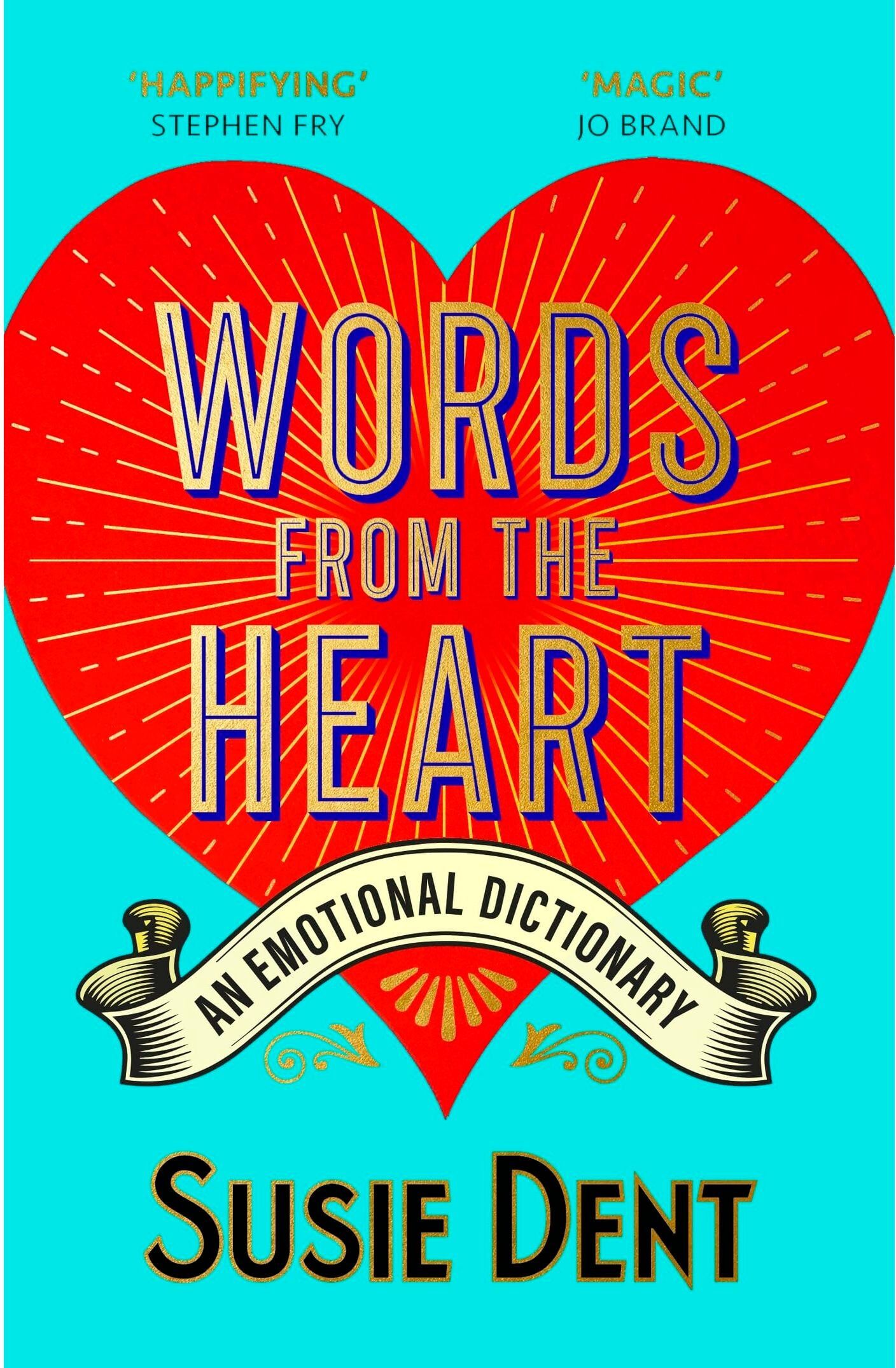
John Murray Words from the Heart: An Emotional Dictionary by Susie DentWhether it's the distress of a bad haircut (AGE-OTORI) or longing for the food someone else is eating (GROAKING), the pleasure found in other people's happiness (CONFELICITY) or the shock of jumping into icy water (CURGLAFF), there are real words to pinpoint exactly how you feel and Susie Dent, Queen of Countdown's Dictionary Corner and lexicographer extraordinaire, is going to help you find them. Here are 1001 terms everyone needs, whether it's the best kind of hug (CWTCH), the relief found in swearing (LALOCHEZIA), or the ability to endure till the end (PERTOLERANCE). It's time to rediscover the lost positives of language (and be more GORM); find out how a stork gave us the word for the love between parent and child, and who the first MAVERICK was. Packed with unexpected stories and unforgettable words, on a mission to describe the indescribable, this life-enhancing book will deepen your vocabulary as much as it extends it. Welcome to the first truly human dictionary, as idiosyncratic and unusual as you are.6,99 £*Shipping: 2,99 £Secure redirect to the provider
-
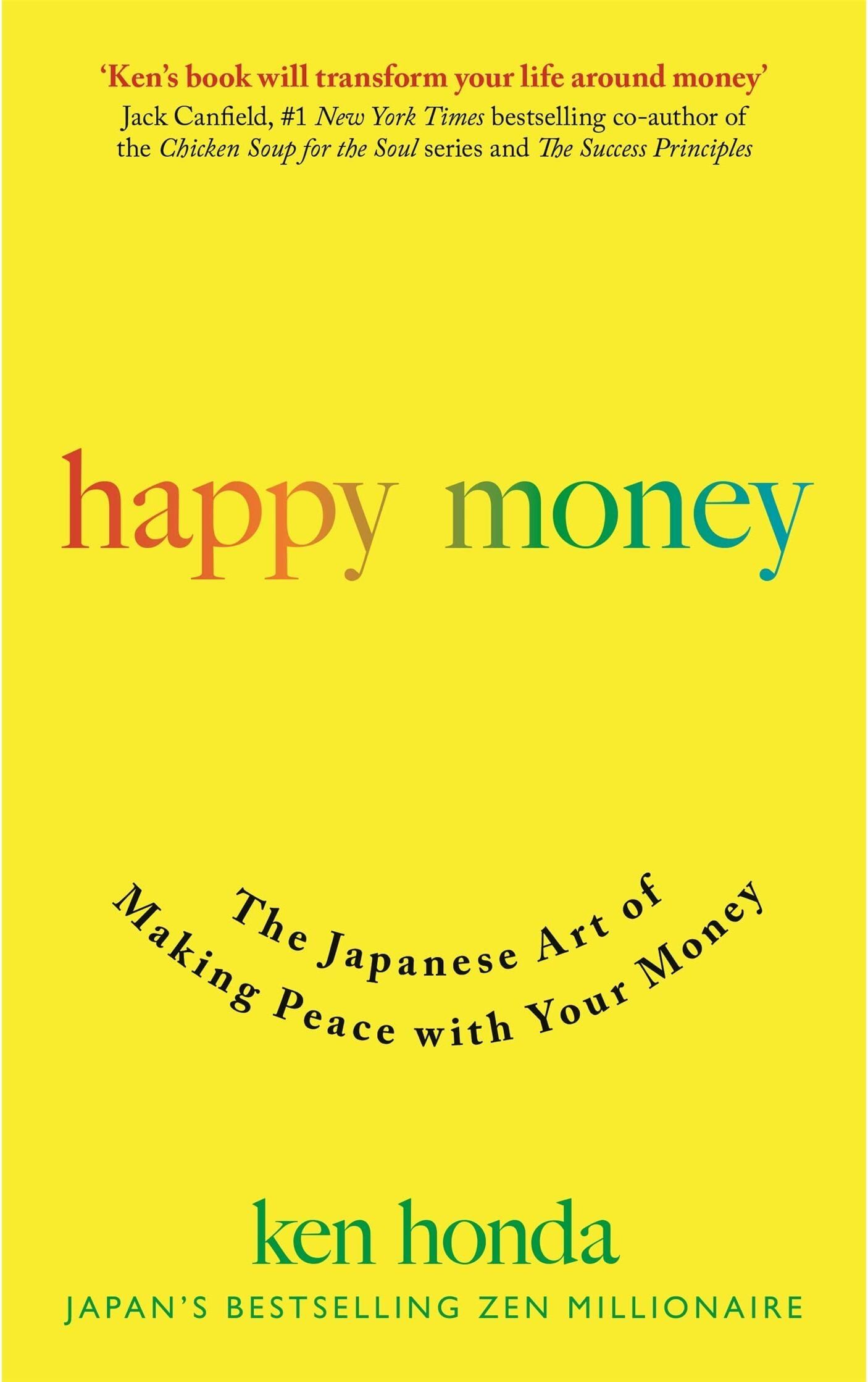
John Murray Happy Money: The Japanese Art of Making Peace with Your MoneyLook around you - what do you see? You may discover to your surprise that the people who are most at peace with money are the ones who walk nimbly between having too little and having too much. They have found a balance between indulgence and austerity; between success and happiness; between motivation and inspiration; and between any number of other poles we tend to think of as either/or choices, but which in reality are simply posts on either side of a doorway through which we must pass. For many of us the subject of money is unavoidably stressful. Managing our personal finances is complicated, time consuming and often, particularly in the slow countdown to pay day, dispiriting. The good news is that in Japan - where a Zen approach to life is more widely practiced - a pathway to a better relationship with money is being carved, by Ken Honda. This beautifully written book will reinvent the way you see your personal finances. You will come to understand that money flows like water and arrives like a guest. You'll rethink your own attitudes and examine the way they were shaped by beliefs about money you were taught as a child. When we heal the fear and anxiety we have about money, we successfully achieve prosperity and peace. Take the zen path to financial security and happiness.5,95 £*Shipping: 2,99 £Secure redirect to the provider
-
In which language is spoken in St. John, New Brunswick?
English is the primary language spoken in St. John, New Brunswick. However, due to its diverse population, you may also hear French being spoken in certain areas of the city. Overall, English is the predominant language used for communication in St. John. **
-
What is the youth language in the ballad John Maynard?
The youth language in the ballad John Maynard is characterized by its use of slang and informal expressions. The young people in the ballad speak in a lively and spirited manner, using colloquial language and expressions that reflect their energy and enthusiasm. This youth language adds to the overall dynamic and vibrant atmosphere of the ballad, capturing the spirit of the young characters in the story. **
-
What are some ideas about digital communication and dependency?
Digital communication has become an integral part of our daily lives, allowing us to connect with others instantly and access information at our fingertips. However, this convenience has also led to a growing dependency on digital communication, with many people feeling the need to constantly check their devices and stay connected. This dependency can lead to issues such as decreased face-to-face interaction, difficulty disconnecting from work, and increased anxiety and stress from constantly being plugged in. It's important to find a balance and set boundaries with digital communication to avoid becoming overly dependent on it. **
-
What are some ideas for a speech therapy school cone?
Some ideas for a speech therapy school cone could include incorporating speech therapy tools and symbols such as speech bubbles, sound waves, or speech therapy exercises. You could also include images of children or adults practicing speech exercises or working with a speech therapist. Another idea could be to have a cone that is shaped like a megaphone or microphone to represent the focus on communication and speech improvement. Additionally, using bright colors and playful fonts can make the cone more engaging and appealing to students. **
* All prices are inclusive of VAT and, if applicable, plus shipping costs. The offer information is based on the details provided by the respective shop and is updated through automated processes. Real-time updates do not occur, so deviations can occur in individual cases. ** Note: Parts of this content were created by AI.