Buy speechtherapist.eu ?
We are moving the project
speechtherapist.eu .
Are you interested in purchasing the domain
speechtherapist.eu ?
domain@kv-gmbh.de · 0541-91531010
Buy speechtherapist.eu ?
Does a brace widen the jaw and make swallowing more difficult?
A brace does not widen the jaw. In fact, braces are typically used to correct misalignment and crowding of teeth, which can sometimes result in a narrower jaw appearance. While it may take some time to adjust to wearing braces and swallowing may feel different initially, braces do not make swallowing more difficult in the long term. It is important to follow the orthodontist's instructions on proper care and maintenance of braces to ensure optimal results. **
Is a fixed brace needed after a removable brace?
A fixed brace is not always needed after a removable brace. The decision to use a fixed brace after a removable one depends on the individual's orthodontic needs and treatment plan. In some cases, a removable brace may be sufficient to achieve the desired results, while in other cases, a fixed brace may be necessary for more complex orthodontic issues. It is best to consult with an orthodontist to determine the most appropriate treatment plan for each individual. **


Similar search terms for Brace
Top-Angebote
Products related to Brace:



-
What are pronunciation problems and articulation problems?
Pronunciation problems refer to difficulties in producing the sounds of a language accurately, which can result in miscommunication or difficulty being understood by others. This can include issues with specific sounds, stress patterns, or intonation. Articulation problems, on the other hand, specifically refer to difficulties in physically producing the individual speech sounds, such as substituting one sound for another, omitting sounds, or distorting sounds. Both pronunciation and articulation problems can impact an individual's ability to effectively communicate in a language. **
-
Can language fluency be learned?
Yes, language fluency can be learned through consistent practice, exposure, and immersion in the language. By actively engaging with the language through speaking, listening, reading, and writing, individuals can improve their fluency over time. Additionally, seeking out opportunities to interact with native speakers and using language learning resources such as classes, apps, and online tools can also contribute to developing fluency in a new language. While it may take time and effort, with dedication and perseverance, language fluency can certainly be achieved. **
-
Which is better, a Milwaukee brace or a regular scoliosis brace?
The effectiveness of a Milwaukee brace versus a regular scoliosis brace depends on the individual's specific condition and needs. The Milwaukee brace is designed to treat more severe cases of scoliosis, particularly in children, as it immobilizes the entire torso and is worn 23 hours a day. On the other hand, a regular scoliosis brace, such as a TLSO (thoracolumbosacral orthosis), is often used for less severe cases and is worn for around 16-18 hours a day. Both types of braces have their own advantages and disadvantages, so it's important to consult with a healthcare professional to determine which option is best for each individual case. **
-
"Is the brace broken?"
It is unclear from the question whether the brace being referred to is broken or not. More information is needed to determine the condition of the brace. If the brace is in sight, it would be helpful to visually inspect it for any signs of damage or breakage. If the brace is not in sight, it would be best to ask for more details about the specific brace in question in order to assess its condition. **

What is a jaw brace?
A jaw brace is a device used to support and stabilize the jaw, typically after a jaw injury or surgery. It is designed to hold the jaw in a specific position to promote healing and prevent further damage. Jaw braces are often made of a lightweight and adjustable material to ensure comfort for the wearer while providing the necessary support. **
What is a dental brace?
A dental brace is a device used in orthodontics to straighten and align teeth. It consists of brackets that are attached to the teeth and connected by wires. The braces apply gentle pressure to the teeth, gradually moving them into the desired position. Dental braces are commonly used to correct misaligned teeth, overcrowding, and bite issues. **
Top-Angebote
Products related to Brace:
-
Does a brace widen the jaw and make swallowing more difficult?
A brace does not widen the jaw. In fact, braces are typically used to correct misalignment and crowding of teeth, which can sometimes result in a narrower jaw appearance. While it may take some time to adjust to wearing braces and swallowing may feel different initially, braces do not make swallowing more difficult in the long term. It is important to follow the orthodontist's instructions on proper care and maintenance of braces to ensure optimal results. **
-
Is a fixed brace needed after a removable brace?
A fixed brace is not always needed after a removable brace. The decision to use a fixed brace after a removable one depends on the individual's orthodontic needs and treatment plan. In some cases, a removable brace may be sufficient to achieve the desired results, while in other cases, a fixed brace may be necessary for more complex orthodontic issues. It is best to consult with an orthodontist to determine the most appropriate treatment plan for each individual. **
-
What are pronunciation problems and articulation problems?
Pronunciation problems refer to difficulties in producing the sounds of a language accurately, which can result in miscommunication or difficulty being understood by others. This can include issues with specific sounds, stress patterns, or intonation. Articulation problems, on the other hand, specifically refer to difficulties in physically producing the individual speech sounds, such as substituting one sound for another, omitting sounds, or distorting sounds. Both pronunciation and articulation problems can impact an individual's ability to effectively communicate in a language. **
-
Can language fluency be learned?
Yes, language fluency can be learned through consistent practice, exposure, and immersion in the language. By actively engaging with the language through speaking, listening, reading, and writing, individuals can improve their fluency over time. Additionally, seeking out opportunities to interact with native speakers and using language learning resources such as classes, apps, and online tools can also contribute to developing fluency in a new language. While it may take time and effort, with dedication and perseverance, language fluency can certainly be achieved. **
Similar search terms for Brace
-
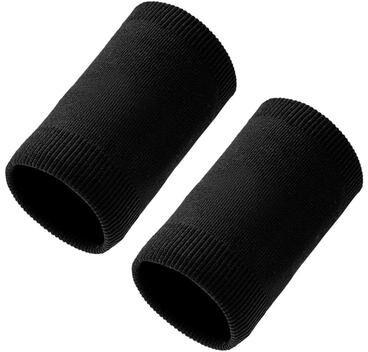
Market Central Sports Wristband Sweatband Wrist Support Brace blackStay focused, comfortable, and confident during every movement with a reliable sports wristband designed to keep sweat away and support active lifestyles. This soft elastic wristband is made for tennis players, gym enthusiasts, volleyball athletes,...34,97 $*Shipping: 0,00 $Secure redirect to the provider
-
Friendly Fresh Finds Adjustable Wrist Support Brace For Fitness & Outdoor Activities Lightweight & Protective Adjustable Wrist Support Brace For Fitness & Outdoor Activities Lightweight & ProtectiveExperience enhanced performance and protection during your workouts and outdoor activities with our Adjustable Wrist Support Brace. Designed specifically for weightlifting, squats, kettlebell exercises, and cycling, this lightweight wristband...39,97 $*Shipping: 0,00 $Secure redirect to the provider
-
Which is better, a Milwaukee brace or a regular scoliosis brace?
The effectiveness of a Milwaukee brace versus a regular scoliosis brace depends on the individual's specific condition and needs. The Milwaukee brace is designed to treat more severe cases of scoliosis, particularly in children, as it immobilizes the entire torso and is worn 23 hours a day. On the other hand, a regular scoliosis brace, such as a TLSO (thoracolumbosacral orthosis), is often used for less severe cases and is worn for around 16-18 hours a day. Both types of braces have their own advantages and disadvantages, so it's important to consult with a healthcare professional to determine which option is best for each individual case. **
-
"Is the brace broken?"
It is unclear from the question whether the brace being referred to is broken or not. More information is needed to determine the condition of the brace. If the brace is in sight, it would be helpful to visually inspect it for any signs of damage or breakage. If the brace is not in sight, it would be best to ask for more details about the specific brace in question in order to assess its condition. **
-
What is a jaw brace?
A jaw brace is a device used to support and stabilize the jaw, typically after a jaw injury or surgery. It is designed to hold the jaw in a specific position to promote healing and prevent further damage. Jaw braces are often made of a lightweight and adjustable material to ensure comfort for the wearer while providing the necessary support. **
-
What is a dental brace?
A dental brace is a device used in orthodontics to straighten and align teeth. It consists of brackets that are attached to the teeth and connected by wires. The braces apply gentle pressure to the teeth, gradually moving them into the desired position. Dental braces are commonly used to correct misaligned teeth, overcrowding, and bite issues. **
* All prices are inclusive of VAT and, if applicable, plus shipping costs. The offer information is based on the details provided by the respective shop and is updated through automated processes. Real-time updates do not occur, so deviations can occur in individual cases. ** Note: Parts of this content were created by AI.