Buy speechtherapist.eu ?
We are moving the project
speechtherapist.eu .
Are you interested in purchasing the domain
speechtherapist.eu ?
domain@kv-gmbh.de · 0541-91531010
Buy speechtherapist.eu ?
Why does a circuit breaker not trip when there is a two-pole contact?
A circuit breaker does not trip when there is a two-pole contact because the two poles are connected in such a way that the current flows through both poles simultaneously. This means that the current is still within the rated capacity of the circuit breaker, and therefore it does not need to trip to protect the circuit from overload or short circuit. The two-pole contact allows for the safe and efficient distribution of electrical current without causing the circuit breaker to trip unnecessarily. **
Is a performance circuit breaker a power circuit breaker?
No, a performance circuit breaker is not the same as a power circuit breaker. A performance circuit breaker is designed to protect electrical equipment from damage due to overcurrent or short circuits, while a power circuit breaker is specifically designed to protect power distribution systems from overloads and short circuits. While both types of circuit breakers serve to protect electrical systems, they are designed for different applications and have different operating characteristics. **
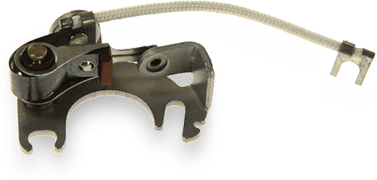
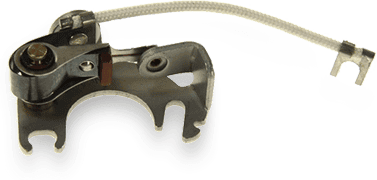
Similar search terms for BERU-KS283-Contact-Breaker
Top-Angebote
Products related to BERU-KS283-Contact-Breaker:
-
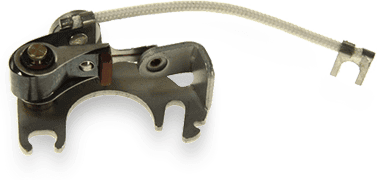
QUINTON HAZELL XCS114 Contact Breaker, distributorSupplementary Article / Supplementary Info Info 2: with ventilation slots; Weight [kg]: 0,03; Length [mm]: 37; Width [mm]: 56; Height: 22; Supplementary Info: CI; Manufacturer Restriction: Motorcraft; Construction Year from: 10/1973, 10/1972, 10/1966, 10/19685,59 £*Shipping: 8,45 £Secure redirect to the provider
-
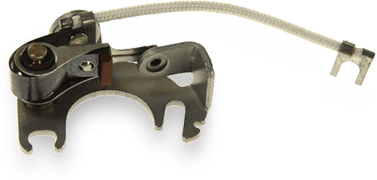
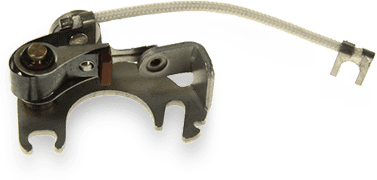
QUINTON HAZELL XCS124 Contact Breaker, distributorWeight [kg]: 0,03; Length [mm]: 37; Width [mm]: 56; Height: 22; Supplementary Info: CI; Construction Year from: 10/1969; Construction Year to: 09/1974, 09/1970; Manufacturer Restriction: Bosch5,59 £*Shipping: 8,45 £Secure redirect to the provider


-
What are pronunciation problems and articulation problems?
Pronunciation problems refer to difficulties in producing the sounds of a language accurately, which can result in miscommunication or difficulty being understood by others. This can include issues with specific sounds, stress patterns, or intonation. Articulation problems, on the other hand, specifically refer to difficulties in physically producing the individual speech sounds, such as substituting one sound for another, omitting sounds, or distorting sounds. Both pronunciation and articulation problems can impact an individual's ability to effectively communicate in a language. **
-
Can language fluency be learned?
Yes, language fluency can be learned through consistent practice, exposure, and immersion in the language. By actively engaging with the language through speaking, listening, reading, and writing, individuals can improve their fluency over time. Additionally, seeking out opportunities to interact with native speakers and using language learning resources such as classes, apps, and online tools can also contribute to developing fluency in a new language. While it may take time and effort, with dedication and perseverance, language fluency can certainly be achieved. **
-
Does a Z16 circuit breaker trip faster than a B16 circuit breaker?
Yes, a Z16 circuit breaker typically trips faster than a B16 circuit breaker. This is because Z16 circuit breakers are designed to have a higher breaking capacity and faster response time compared to B16 circuit breakers. The Z16 circuit breaker is more suitable for applications where a quicker response to overcurrent situations is required for better protection of the electrical system. **
-
Why does the circuit breaker trip instead of the RCD in the event of a body contact?
The circuit breaker trips instead of the RCD in the event of a body contact because the circuit breaker is designed to protect against overcurrent and short circuits, while the RCD is designed to protect against electric shock. When a person comes into contact with a live conductor, the circuit breaker detects the increased current flow and trips to prevent overheating and potential fire hazards. On the other hand, the RCD detects the imbalance in the electrical current caused by the person's body and quickly shuts off the power to prevent electric shock. Both devices work together to provide comprehensive protection against electrical hazards. **

What is a circuit breaker?
A circuit breaker is an electrical safety device designed to protect an electrical circuit from damage caused by excess current. It automatically interrupts the flow of electricity when it detects a fault or overload in the circuit, preventing overheating and potential fires. Circuit breakers are commonly used in homes, buildings, and industrial settings to ensure the safety of electrical systems and prevent damage to electrical equipment. **
Which residual-current circuit breaker?
The residual-current circuit breaker, also known as an RCCB, is a device designed to quickly disconnect a circuit when it detects an imbalance in the flow of electricity. This imbalance could be caused by a fault in the circuit or by current leakage, which could pose a risk of electric shock or fire. RCCBs are an important safety feature in electrical systems, providing protection against electrical hazards and ensuring the safety of individuals and property. **
Top-Angebote
Products related to BERU-KS283-Contact-Breaker:
-
QUINTON HAZELL XCS114 Contact Breaker, distributorSupplementary Article / Supplementary Info Info 2: with ventilation slots; Weight [kg]: 0,03; Length [mm]: 37; Width [mm]: 56; Height: 22; Supplementary Info: CI; Manufacturer Restriction: Motorcraft; Construction Year from: 10/1973, 10/1972, 10/1966, 10/19685,59 £*Shipping: 8,45 £Secure redirect to the provider
-
Why does a circuit breaker not trip when there is a two-pole contact?
A circuit breaker does not trip when there is a two-pole contact because the two poles are connected in such a way that the current flows through both poles simultaneously. This means that the current is still within the rated capacity of the circuit breaker, and therefore it does not need to trip to protect the circuit from overload or short circuit. The two-pole contact allows for the safe and efficient distribution of electrical current without causing the circuit breaker to trip unnecessarily. **
-
Is a performance circuit breaker a power circuit breaker?
No, a performance circuit breaker is not the same as a power circuit breaker. A performance circuit breaker is designed to protect electrical equipment from damage due to overcurrent or short circuits, while a power circuit breaker is specifically designed to protect power distribution systems from overloads and short circuits. While both types of circuit breakers serve to protect electrical systems, they are designed for different applications and have different operating characteristics. **
-
What are pronunciation problems and articulation problems?
Pronunciation problems refer to difficulties in producing the sounds of a language accurately, which can result in miscommunication or difficulty being understood by others. This can include issues with specific sounds, stress patterns, or intonation. Articulation problems, on the other hand, specifically refer to difficulties in physically producing the individual speech sounds, such as substituting one sound for another, omitting sounds, or distorting sounds. Both pronunciation and articulation problems can impact an individual's ability to effectively communicate in a language. **
-
Can language fluency be learned?
Yes, language fluency can be learned through consistent practice, exposure, and immersion in the language. By actively engaging with the language through speaking, listening, reading, and writing, individuals can improve their fluency over time. Additionally, seeking out opportunities to interact with native speakers and using language learning resources such as classes, apps, and online tools can also contribute to developing fluency in a new language. While it may take time and effort, with dedication and perseverance, language fluency can certainly be achieved. **
Similar search terms for BERU-KS283-Contact-Breaker
-
QUINTON HAZELL XCS124 Contact Breaker, distributorWeight [kg]: 0,03; Length [mm]: 37; Width [mm]: 56; Height: 22; Supplementary Info: CI; Construction Year from: 10/1969; Construction Year to: 09/1974, 09/1970; Manufacturer Restriction: Bosch5,59 £*Shipping: 8,45 £Secure redirect to the provider
-
Does a Z16 circuit breaker trip faster than a B16 circuit breaker?
Yes, a Z16 circuit breaker typically trips faster than a B16 circuit breaker. This is because Z16 circuit breakers are designed to have a higher breaking capacity and faster response time compared to B16 circuit breakers. The Z16 circuit breaker is more suitable for applications where a quicker response to overcurrent situations is required for better protection of the electrical system. **
-
Why does the circuit breaker trip instead of the RCD in the event of a body contact?
The circuit breaker trips instead of the RCD in the event of a body contact because the circuit breaker is designed to protect against overcurrent and short circuits, while the RCD is designed to protect against electric shock. When a person comes into contact with a live conductor, the circuit breaker detects the increased current flow and trips to prevent overheating and potential fire hazards. On the other hand, the RCD detects the imbalance in the electrical current caused by the person's body and quickly shuts off the power to prevent electric shock. Both devices work together to provide comprehensive protection against electrical hazards. **
-
What is a circuit breaker?
A circuit breaker is an electrical safety device designed to protect an electrical circuit from damage caused by excess current. It automatically interrupts the flow of electricity when it detects a fault or overload in the circuit, preventing overheating and potential fires. Circuit breakers are commonly used in homes, buildings, and industrial settings to ensure the safety of electrical systems and prevent damage to electrical equipment. **
-
Which residual-current circuit breaker?
The residual-current circuit breaker, also known as an RCCB, is a device designed to quickly disconnect a circuit when it detects an imbalance in the flow of electricity. This imbalance could be caused by a fault in the circuit or by current leakage, which could pose a risk of electric shock or fire. RCCBs are an important safety feature in electrical systems, providing protection against electrical hazards and ensuring the safety of individuals and property. **
* All prices are inclusive of VAT and, if applicable, plus shipping costs. The offer information is based on the details provided by the respective shop and is updated through automated processes. Real-time updates do not occur, so deviations can occur in individual cases. ** Note: Parts of this content were created by AI.