Buy speechtherapist.eu ?
We are moving the project
speechtherapist.eu .
Are you interested in purchasing the domain
speechtherapist.eu ?
domain@kv-gmbh.de · 0541-91531010
Buy speechtherapist.eu ?
How do anesthetics work?
Anesthetics work by blocking the transmission of nerve signals in the brain and nervous system, leading to a loss of sensation and consciousness. There are different types of anesthetics, such as local anesthetics that block pain in a specific area, and general anesthetics that induce a state of unconsciousness. By interfering with the communication between nerve cells, anesthetics prevent the brain from processing pain signals, allowing medical procedures to be performed without the patient feeling discomfort. **
What are tick anesthetics?
Tick anesthetics are substances or medications that are used to temporarily immobilize or sedate ticks. They are often used by healthcare professionals or veterinarians to make it easier to remove ticks from a person or animal. Tick anesthetics can help reduce the risk of the tick regurgitating into the host during removal, and can also make the removal process less painful for the host. These anesthetics can come in various forms, such as sprays, gels, or topical solutions. **

Similar search terms for Anesthetics
Top-Angebote
Products related to Anesthetics:
-
Astra Make-up Light Therapy liquid blusher shade 0005 cognitive pink 15 mlAstra Make-up Light Therapy, 15 ml, Blushers for Women, Do you want to give your face a healthy, fresh appearance? The Astra Make-up Light Therapy blusher is here to help. It envelops your cheeks in a soft hint of colour similar to the natural blushing process. But it’s also useful for highlighting features and visually altering the shape of your face, for example when you want your cheeks to appear lifted. Just apply a few layers with a brush or sponge and your cheeks will get a refreshed appearance to enhance any makeup style. Characteristics: gives your face a healthy colour brightens has a pleasantly soft, lightweight texture easy to use gives a shimmer effect How to use: Apply using the applicator built into the lid.7,40 £*Shipping: 3,99 £Secure redirect to the provider
-
Uplift Treasures Pet Communication Talk Buttons With Voice Recorder only Buttons 9 PiecesProduct Description: Teach your pet to communicate in a fun and interactive way with these pet talk buttons featuring voice recording and playback functions. Perfect for dogs and cats, these training clickers help pets learn commands, express needs,...156,97 $*Shipping: 0,00 $Secure redirect to the provider
-
Inspired Living SmartPaws Dog Communication Buttons Voice Recording Button For Pet Training greenGive your pet a fun, simple way to speak with you. This easypress voice recording button lets you record short words or commands your dog can learn through repetition. Ideal for curious pets, new training routines, and owners who love interactive...23,97 $*Shipping: 0,00 $Secure redirect to the provider
-
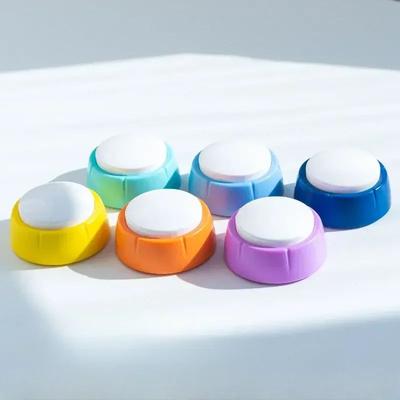
Uplift Treasures Voice Recording Dog Communication Buttons For Pet Training orangeProduct Description: Train and interact with your pet in a fun and engaging way using these voice recording communication buttons. Designed for dogs and other pets, these training buzzers allow you to record up to 20 seconds of custom audio...49,97 $*Shipping: 0,00 $Secure redirect to the provider



-
What local anesthetics are available?
Local anesthetics that are commonly available include lidocaine, bupivacaine, mepivacaine, and ropivacaine. These medications work by blocking nerve signals in a specific area of the body, resulting in temporary numbness and pain relief. Local anesthetics are often used during minor surgical procedures, dental work, and for pain management. It is important to follow the instructions of a healthcare provider when using local anesthetics to avoid potential side effects or complications. **
-
Are anesthetics used for dental procedures?
Yes, anesthetics are commonly used for dental procedures to help manage pain and discomfort for the patient. Local anesthetics are often administered to numb the specific area being worked on, suchjson as a tooth or gum, while some procedures may also require general anesthesia for more complex or invasive treatments. The use of anesthetics in dental procedures helps to ensure that patients are comfortable and pain-free during their treatment. **
-
How often are anesthetics recommended for pets?
Anesthetics are recommended for pets when they need to undergo surgical procedures, such as spaying or neutering, dental cleanings, or other medical treatments that require them to be still and pain-free. The frequency of anesthetics for pets depends on their individual health needs and the specific procedures they require. It is important for pet owners to follow their veterinarian's recommendations regarding the use of anesthetics to ensure the safety and well-being of their pets. **
-
How can one become immune to anesthetics?
Becoming immune to anesthetics is extremely rare and usually occurs due to genetic factors or prolonged exposure to certain anesthetics. Genetic variations can affect the way an individual's body processes and responds to anesthetics, potentially leading to a reduced sensitivity. Prolonged exposure to anesthetics, such as in patients who undergo frequent surgeries, can also lead to a tolerance or reduced sensitivity to the effects of the drugs. However, it's important to note that becoming immune to anesthetics is very uncommon and should not be assumed without proper medical evaluation. **


Are there anesthetics available at tattoo studios?
Yes, many tattoo studios have anesthetics available for clients who may need them. These can include topical numbing creams or gels, as well as local anesthetics like lidocaine. However, it's important to note that the use of anesthetics during a tattoo session should be discussed with the tattoo artist beforehand, as some artists may have specific preferences or restrictions regarding their use. Additionally, clients should always follow the instructions provided by the tattoo studio and consult with a healthcare professional if they have any concerns about using anesthetics during the tattooing process. **
What experiences have you had with dental anesthetics?
I have had several experiences with dental anesthetics during various dental procedures such as fillings, root canals, and extractions. The anesthetics have always been effective in numbing the area being worked on, providing me with a pain-free experience. I have never had any adverse reactions to dental anesthetics and have always felt comfortable and well taken care of by my dentist during these procedures. **
Top-Angebote
Products related to Anesthetics:
-
Perfect Picks Market Hearkent Talking Watch For Blind Atomic Radio Controlled Watch For Elderly With Multi Language Voice us English VoiceExperience greater independence with the atomic talking watch designed to make telling time effortless. Created for seniors, visually impaired users, and anyone with low vision, this watch clearly announces the time, date, and alarm at the press of...69,97 $*Shipping: 0,00 $Secure redirect to the provider
-
Uplift Treasures Voice Recording Dog Communication Buttons For Pet Training blueProduct Description: Train and interact with your pet in a fun and engaging way using these voice recording communication buttons. Designed for dogs and other pets, these training buzzers allow you to record up to 20 seconds of custom audio...49,97 $*Shipping: 0,00 $Secure redirect to the provider
-
Astra Make-up Light Therapy liquid blusher shade 0005 cognitive pink 15 mlAstra Make-up Light Therapy, 15 ml, Blushers for Women, Do you want to give your face a healthy, fresh appearance? The Astra Make-up Light Therapy blusher is here to help. It envelops your cheeks in a soft hint of colour similar to the natural blushing process. But it’s also useful for highlighting features and visually altering the shape of your face, for example when you want your cheeks to appear lifted. Just apply a few layers with a brush or sponge and your cheeks will get a refreshed appearance to enhance any makeup style. Characteristics: gives your face a healthy colour brightens has a pleasantly soft, lightweight texture easy to use gives a shimmer effect How to use: Apply using the applicator built into the lid.7,40 £*Shipping: 3,99 £Secure redirect to the provider
-
Uplift Treasures Pet Communication Talk Buttons With Voice Recorder only Buttons 9 PiecesProduct Description: Teach your pet to communicate in a fun and interactive way with these pet talk buttons featuring voice recording and playback functions. Perfect for dogs and cats, these training clickers help pets learn commands, express needs,...156,97 $*Shipping: 0,00 $Secure redirect to the provider
-
How do anesthetics work?
Anesthetics work by blocking the transmission of nerve signals in the brain and nervous system, leading to a loss of sensation and consciousness. There are different types of anesthetics, such as local anesthetics that block pain in a specific area, and general anesthetics that induce a state of unconsciousness. By interfering with the communication between nerve cells, anesthetics prevent the brain from processing pain signals, allowing medical procedures to be performed without the patient feeling discomfort. **
-
What are tick anesthetics?
Tick anesthetics are substances or medications that are used to temporarily immobilize or sedate ticks. They are often used by healthcare professionals or veterinarians to make it easier to remove ticks from a person or animal. Tick anesthetics can help reduce the risk of the tick regurgitating into the host during removal, and can also make the removal process less painful for the host. These anesthetics can come in various forms, such as sprays, gels, or topical solutions. **
-
What local anesthetics are available?
Local anesthetics that are commonly available include lidocaine, bupivacaine, mepivacaine, and ropivacaine. These medications work by blocking nerve signals in a specific area of the body, resulting in temporary numbness and pain relief. Local anesthetics are often used during minor surgical procedures, dental work, and for pain management. It is important to follow the instructions of a healthcare provider when using local anesthetics to avoid potential side effects or complications. **
-
Are anesthetics used for dental procedures?
Yes, anesthetics are commonly used for dental procedures to help manage pain and discomfort for the patient. Local anesthetics are often administered to numb the specific area being worked on, suchjson as a tooth or gum, while some procedures may also require general anesthesia for more complex or invasive treatments. The use of anesthetics in dental procedures helps to ensure that patients are comfortable and pain-free during their treatment. **
Similar search terms for Anesthetics
-
Inspired Living SmartPaws Dog Communication Buttons Voice Recording Button For Pet Training greenGive your pet a fun, simple way to speak with you. This easypress voice recording button lets you record short words or commands your dog can learn through repetition. Ideal for curious pets, new training routines, and owners who love interactive...23,97 $*Shipping: 0,00 $Secure redirect to the provider
-
Uplift Treasures Voice Recording Dog Communication Buttons For Pet Training orangeProduct Description: Train and interact with your pet in a fun and engaging way using these voice recording communication buttons. Designed for dogs and other pets, these training buzzers allow you to record up to 20 seconds of custom audio...49,97 $*Shipping: 0,00 $Secure redirect to the provider
-
Uplift Treasures Voice Recording Dog Communication Buttons For Pet Training greenProduct Description: Train and interact with your pet in a fun and engaging way using these voice recording communication buttons. Designed for dogs and other pets, these training buzzers allow you to record up to 20 seconds of custom audio...49,97 $*Shipping: 0,00 $Secure redirect to the provider
-
Uplift Treasures Voice Recording Dog Communication Buttons For Pet Training rose RedProduct Description: Train and interact with your pet in a fun and engaging way using these voice recording communication buttons. Designed for dogs and other pets, these training buzzers allow you to record up to 20 seconds of custom audio...49,97 $*Shipping: 0,00 $Secure redirect to the provider
-
How often are anesthetics recommended for pets?
Anesthetics are recommended for pets when they need to undergo surgical procedures, such as spaying or neutering, dental cleanings, or other medical treatments that require them to be still and pain-free. The frequency of anesthetics for pets depends on their individual health needs and the specific procedures they require. It is important for pet owners to follow their veterinarian's recommendations regarding the use of anesthetics to ensure the safety and well-being of their pets. **
-
How can one become immune to anesthetics?
Becoming immune to anesthetics is extremely rare and usually occurs due to genetic factors or prolonged exposure to certain anesthetics. Genetic variations can affect the way an individual's body processes and responds to anesthetics, potentially leading to a reduced sensitivity. Prolonged exposure to anesthetics, such as in patients who undergo frequent surgeries, can also lead to a tolerance or reduced sensitivity to the effects of the drugs. However, it's important to note that becoming immune to anesthetics is very uncommon and should not be assumed without proper medical evaluation. **
-
Are there anesthetics available at tattoo studios?
Yes, many tattoo studios have anesthetics available for clients who may need them. These can include topical numbing creams or gels, as well as local anesthetics like lidocaine. However, it's important to note that the use of anesthetics during a tattoo session should be discussed with the tattoo artist beforehand, as some artists may have specific preferences or restrictions regarding their use. Additionally, clients should always follow the instructions provided by the tattoo studio and consult with a healthcare professional if they have any concerns about using anesthetics during the tattooing process. **
-
What experiences have you had with dental anesthetics?
I have had several experiences with dental anesthetics during various dental procedures such as fillings, root canals, and extractions. The anesthetics have always been effective in numbing the area being worked on, providing me with a pain-free experience. I have never had any adverse reactions to dental anesthetics and have always felt comfortable and well taken care of by my dentist during these procedures. **
* All prices are inclusive of VAT and, if applicable, plus shipping costs. The offer information is based on the details provided by the respective shop and is updated through automated processes. Real-time updates do not occur, so deviations can occur in individual cases. ** Note: Parts of this content were created by AI.