Buy speechtherapist.eu ?
We are moving the project
speechtherapist.eu .
Are you interested in purchasing the domain
speechtherapist.eu ?
domain@kv-gmbh.de · 0541-91531010
Buy speechtherapist.eu ?
What are pronunciation problems and articulation problems?
Pronunciation problems refer to difficulties in producing the sounds of a language accurately, which can result in miscommunication or difficulty being understood by others. This can include issues with specific sounds, stress patterns, or intonation. Articulation problems, on the other hand, specifically refer to difficulties in physically producing the individual speech sounds, such as substituting one sound for another, omitting sounds, or distorting sounds. Both pronunciation and articulation problems can impact an individual's ability to effectively communicate in a language. **
Can language fluency be learned?
Yes, language fluency can be learned through consistent practice, exposure, and immersion in the language. By actively engaging with the language through speaking, listening, reading, and writing, individuals can improve their fluency over time. Additionally, seeking out opportunities to interact with native speakers and using language learning resources such as classes, apps, and online tools can also contribute to developing fluency in a new language. While it may take time and effort, with dedication and perseverance, language fluency can certainly be achieved. **


Similar search terms for Aluminum
Top-Angebote
Products related to Aluminum:
-
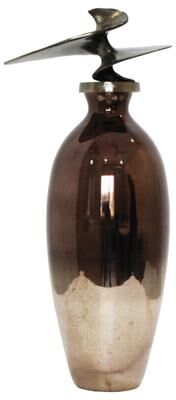
Sagebrook Home Modern Aluminum & Iron Decorative Vase - Sleek Contemporary Metal AccentThis will be a perfect addition to add to your home decor, also a perfect gift for a loved one. Can be added to your table, console or bookcase for a distinctive style to match any decor.233,49 $*Shipping: 0,00 $Secure redirect to the provider


-
How is aluminum extracted from aluminum oxide?
Aluminum is extracted from aluminum oxide through a process called electrolysis. In this process, aluminum oxide is dissolved in molten cryolite, which lowers its melting point and allows it to conduct electricity. Then, a direct current is passed through the molten aluminum oxide, causing the aluminum ions to migrate to the cathode, where they are reduced to form aluminum metal. The oxygen ions migrate to the anode, where they combine to form oxygen gas. This process is energy-intensive but allows for the extraction of pure aluminum from aluminum oxide. **
-
Is aluminum the same as aluminum hydroxide?
No, aluminum and aluminum hydroxide are not the same. Aluminum is a chemical element with the symbol Al and atomic number 13, while aluminum hydroxide is a compound containing aluminum, hydrogen, and oxygen. Aluminum hydroxide is commonly used as an antacid to treat heartburn, indigestion, and upset stomach, while aluminum is widely used in various industries for its lightweight and corrosion-resistant properties. **
-
How can one extract aluminum from aluminum oxide?
Aluminum can be extracted from aluminum oxide through a process called electrolysis. In this process, aluminum oxide is dissolved in molten cryolite, which lowers the melting point of the mixture. Then, an electric current is passed through the molten mixture, causing the aluminum oxide to break down into its elements. The aluminum ions are attracted to the negative electrode (cathode) and are reduced to form aluminum metal, while the oxygen ions are attracted to the positive electrode (anode) and are oxidized to form oxygen gas. This process allows for the extraction of pure aluminum from aluminum oxide. **
-
How do you calculate aluminum atoms and aluminum oxide?
To calculate the number of aluminum atoms in a sample of aluminum, you would first determine the mass of the sample in grams. Then, you would convert this mass to moles using the molar mass of aluminum. Finally, you would use Avogadro's number (6.022 x 10^23) to convert moles of aluminum to atoms. To calculate the number of aluminum oxide molecules, you would follow a similar process. First, determine the mass of the sample in grams and convert it to moles using the molar mass of aluminum oxide. Then, use Avogadro's number to convert moles of aluminum oxide to molecules. Remember that aluminum oxide has the chemical formula Al2O3, so you would need to account for the number of aluminum and oxygen atoms in each molecule. **


Isn't it easier to produce aluminum with aluminum chloride?
Producing aluminum with aluminum chloride is not necessarily easier. While aluminum chloride can be used as a catalyst in the production of aluminum through the Hall-Héroult process, it is not the primary raw material used. The primary raw material for aluminum production is bauxite, which is processed to extract aluminum oxide, from which aluminum is then produced through electrolysis. While aluminum chloride can be used in certain processes, it is not the main method for producing aluminum. **
Do aluminum ions dissolve over time from aluminum foil?
Yes, aluminum ions can dissolve over time from aluminum foil, especially in the presence of acidic or salty solutions. This process is known as corrosion and can result in the release of aluminum ions into the surrounding environment. However, the rate of dissolution depends on various factors such as the pH of the solution, temperature, and the presence of other ions. It's important to note that the amount of aluminum ions released from foil is generally considered to be safe for consumption and does not pose a significant health risk. **
Top-Angebote
Products related to Aluminum:
-
Sagebrook Home "Decorative Aluminum Leaf Accent Tray - 9"", Gold - 9.0""""Add a bold focal point to your surfaces with the aluminum leaf tray dish. This 9"" L x 5"" W x 1"" H tray is sculpted from durable aluminum and finished in a warm gold tone that gleams from every angle."43,49 $*Shipping: 0,00 $Secure redirect to the provider
-
What are pronunciation problems and articulation problems?
Pronunciation problems refer to difficulties in producing the sounds of a language accurately, which can result in miscommunication or difficulty being understood by others. This can include issues with specific sounds, stress patterns, or intonation. Articulation problems, on the other hand, specifically refer to difficulties in physically producing the individual speech sounds, such as substituting one sound for another, omitting sounds, or distorting sounds. Both pronunciation and articulation problems can impact an individual's ability to effectively communicate in a language. **
-
Can language fluency be learned?
Yes, language fluency can be learned through consistent practice, exposure, and immersion in the language. By actively engaging with the language through speaking, listening, reading, and writing, individuals can improve their fluency over time. Additionally, seeking out opportunities to interact with native speakers and using language learning resources such as classes, apps, and online tools can also contribute to developing fluency in a new language. While it may take time and effort, with dedication and perseverance, language fluency can certainly be achieved. **
-
How is aluminum extracted from aluminum oxide?
Aluminum is extracted from aluminum oxide through a process called electrolysis. In this process, aluminum oxide is dissolved in molten cryolite, which lowers its melting point and allows it to conduct electricity. Then, a direct current is passed through the molten aluminum oxide, causing the aluminum ions to migrate to the cathode, where they are reduced to form aluminum metal. The oxygen ions migrate to the anode, where they combine to form oxygen gas. This process is energy-intensive but allows for the extraction of pure aluminum from aluminum oxide. **
-
Is aluminum the same as aluminum hydroxide?
No, aluminum and aluminum hydroxide are not the same. Aluminum is a chemical element with the symbol Al and atomic number 13, while aluminum hydroxide is a compound containing aluminum, hydrogen, and oxygen. Aluminum hydroxide is commonly used as an antacid to treat heartburn, indigestion, and upset stomach, while aluminum is widely used in various industries for its lightweight and corrosion-resistant properties. **
Similar search terms for Aluminum
-
Sagebrook Home Modern Aluminum & Iron Decorative Vase - Sleek Contemporary Metal AccentThis will be a perfect addition to add to your home decor, also a perfect gift for a loved one. Can be added to your table, console or bookcase for a distinctive style to match any decor.233,49 $*Shipping: 0,00 $Secure redirect to the provider
-
How can one extract aluminum from aluminum oxide?
Aluminum can be extracted from aluminum oxide through a process called electrolysis. In this process, aluminum oxide is dissolved in molten cryolite, which lowers the melting point of the mixture. Then, an electric current is passed through the molten mixture, causing the aluminum oxide to break down into its elements. The aluminum ions are attracted to the negative electrode (cathode) and are reduced to form aluminum metal, while the oxygen ions are attracted to the positive electrode (anode) and are oxidized to form oxygen gas. This process allows for the extraction of pure aluminum from aluminum oxide. **
-
How do you calculate aluminum atoms and aluminum oxide?
To calculate the number of aluminum atoms in a sample of aluminum, you would first determine the mass of the sample in grams. Then, you would convert this mass to moles using the molar mass of aluminum. Finally, you would use Avogadro's number (6.022 x 10^23) to convert moles of aluminum to atoms. To calculate the number of aluminum oxide molecules, you would follow a similar process. First, determine the mass of the sample in grams and convert it to moles using the molar mass of aluminum oxide. Then, use Avogadro's number to convert moles of aluminum oxide to molecules. Remember that aluminum oxide has the chemical formula Al2O3, so you would need to account for the number of aluminum and oxygen atoms in each molecule. **
-
Isn't it easier to produce aluminum with aluminum chloride?
Producing aluminum with aluminum chloride is not necessarily easier. While aluminum chloride can be used as a catalyst in the production of aluminum through the Hall-Héroult process, it is not the primary raw material used. The primary raw material for aluminum production is bauxite, which is processed to extract aluminum oxide, from which aluminum is then produced through electrolysis. While aluminum chloride can be used in certain processes, it is not the main method for producing aluminum. **
-
Do aluminum ions dissolve over time from aluminum foil?
Yes, aluminum ions can dissolve over time from aluminum foil, especially in the presence of acidic or salty solutions. This process is known as corrosion and can result in the release of aluminum ions into the surrounding environment. However, the rate of dissolution depends on various factors such as the pH of the solution, temperature, and the presence of other ions. It's important to note that the amount of aluminum ions released from foil is generally considered to be safe for consumption and does not pose a significant health risk. **
* All prices are inclusive of VAT and, if applicable, plus shipping costs. The offer information is based on the details provided by the respective shop and is updated through automated processes. Real-time updates do not occur, so deviations can occur in individual cases. ** Note: Parts of this content were created by AI.