Buy speechtherapist.eu ?
We are moving the project
speechtherapist.eu .
Are you interested in purchasing the domain
speechtherapist.eu ?
domain@kv-gmbh.de · 0541-91531010
Buy speechtherapist.eu ?
What is the programming language of malware?
The programming language of malware can vary, as malware can be written in a variety of programming languages. Some common programming languages used to create malware include C, C++, and Assembly language. These languages are often chosen for their low-level capabilities and ability to directly manipulate system resources. Additionally, scripting languages like Python and JavaScript are also used to create certain types of malware, due to their ease of use and wide availability. **
With which programming language can one code malware?
Malware can be coded using a variety of programming languages, including C, C++, Python, and even scripting languages like JavaScript and PowerShell. These languages provide the flexibility and power needed to create malicious software that can exploit vulnerabilities, steal data, or disrupt systems. However, it's important to note that the use of these languages for creating malware is illegal and unethical. **


Similar search terms for Malware
Top-Angebote
Products related to Malware:
-
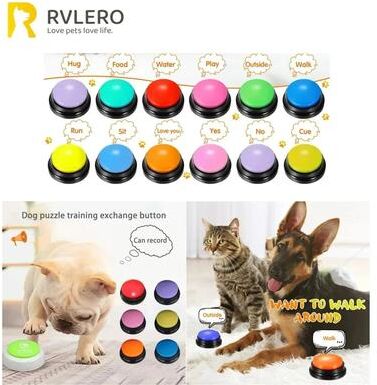
Inspired Living SmartPaws Dog Communication Buttons Voice Recording Button For Pet Training greenGive your pet a fun, simple way to speak with you. This easypress voice recording button lets you record short words or commands your dog can learn through repetition. Ideal for curious pets, new training routines, and owners who love interactive...23,97 $*Shipping: 0,00 $Secure redirect to the provider
-
Uplift Treasures Dog Communication Buttons Voice Recording Training Buzzer For Talking Pets pinkProduct Description Teach your pet to talk with these fun Voice Recording Dog Communication Buttons. Each button lets you record a 30 second custom message, making it perfect for training dogs and cats to express needs like food, play, or outside....54,97 $*Shipping: 0,00 $Secure redirect to the provider
-
Uplift Treasures Voice Recording Dog Communication Buttons For Pet Training orangeProduct Description: Train and interact with your pet in a fun and engaging way using these voice recording communication buttons. Designed for dogs and other pets, these training buzzers allow you to record up to 20 seconds of custom audio...49,97 $*Shipping: 0,00 $Secure redirect to the provider
-
Uplift Treasures Voice Recording Dog Communication Buttons For Pet Training blueProduct Description: Train and interact with your pet in a fun and engaging way using these voice recording communication buttons. Designed for dogs and other pets, these training buzzers allow you to record up to 20 seconds of custom audio...49,97 $*Shipping: 0,00 $Secure redirect to the provider



-
How does malware work?
Malware works by infiltrating a computer system or network through various means, such as malicious email attachments, infected websites, or software vulnerabilities. Once inside, malware can execute a range of harmful activities, such as stealing sensitive information, disrupting system operations, or even taking control of the infected device. Malware can also replicate itself and spread to other devices on the network, causing widespread damage. To protect against malware, it is important to have up-to-date security software and practice safe browsing habits. **
-
Is this a malware URL?
I'm sorry, but I cannot browse the internet or access external content to determine if a URL is a malware site. It is important to be cautious when clicking on unfamiliar links and to use reputable antivirus software to protect against malware. If you suspect a URL may be malicious, it is best to avoid clicking on it and to report it to the appropriate authorities. **
-
What data does malware steal?
Malware can steal a wide range of data from infected devices, including personal information such as usernames, passwords, credit card numbers, and social security numbers. It can also steal sensitive business data such as intellectual property, financial records, and customer information. Additionally, malware can capture keystrokes, take screenshots, and access files stored on the infected device. The stolen data can then be used for various malicious purposes, such as identity theft, financial fraud, or corporate espionage. **
-
Who uses types of malware?
Types of malware can be used by a variety of actors, including cybercriminals, hackers, and state-sponsored entities. Cybercriminals may use malware to steal sensitive information, such as financial data or personal information, for financial gain. Hackers may use malware to gain unauthorized access to systems or to disrupt operations. State-sponsored entities may use malware for espionage, sabotage, or to gain a strategic advantage in cyberspace. Additionally, individuals with malicious intent may also use malware for personal reasons, such as revenge or to cause harm. **

Do WhatsApp images contain malware?
WhatsApp images themselves do not contain malware. However, it is possible for malware to be disguised as an image file and sent through WhatsApp. Users should be cautious when receiving images from unknown or untrusted sources, as clicking on a malicious image could potentially download and install malware onto their device. It is important to have up-to-date antivirus software and to be cautious of unexpected or suspicious messages and attachments. **
"Did I accidentally download malware?"
If you suspect that you may have accidentally downloaded malware, it's important to take immediate action to protect your device and personal information. Look for signs such as sudden slowdowns, pop-up ads, or unusual behavior from your device. Run a reputable antivirus or anti-malware scan to check for any potential threats, and consider resetting your device to a previous backup if you suspect that malware may have been installed. Additionally, be cautious of any suspicious downloads or websites in the future to prevent similar incidents. **
Top-Angebote
Products related to Malware:
-
Uplift Treasures Voice Recording Dog Communication Buttons For Pet Training greenProduct Description: Train and interact with your pet in a fun and engaging way using these voice recording communication buttons. Designed for dogs and other pets, these training buzzers allow you to record up to 20 seconds of custom audio...49,97 $*Shipping: 0,00 $Secure redirect to the provider
-
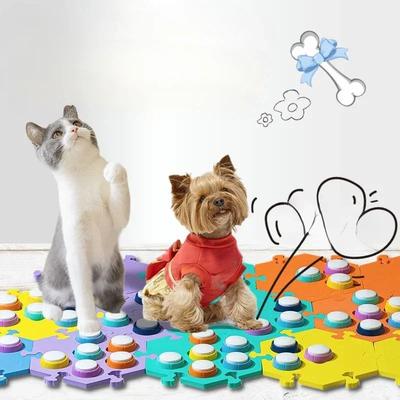
Uplift Treasures Pet Communication Talk Buttons With Voice Recorder only Buttons 5 PiecesProduct Description: Teach your pet to communicate in a fun and interactive way with these pet talk buttons featuring voice recording and playback functions. Perfect for dogs and cats, these training clickers help pets learn commands, express needs,...119,97 $*Shipping: 0,00 $Secure redirect to the provider
-
Inspired Living SmartPaws Dog Communication Buttons Voice Recording Button For Pet Training greenGive your pet a fun, simple way to speak with you. This easypress voice recording button lets you record short words or commands your dog can learn through repetition. Ideal for curious pets, new training routines, and owners who love interactive...23,97 $*Shipping: 0,00 $Secure redirect to the provider
-
Uplift Treasures Dog Communication Buttons Voice Recording Training Buzzer For Talking Pets pinkProduct Description Teach your pet to talk with these fun Voice Recording Dog Communication Buttons. Each button lets you record a 30 second custom message, making it perfect for training dogs and cats to express needs like food, play, or outside....54,97 $*Shipping: 0,00 $Secure redirect to the provider
-
What is the programming language of malware?
The programming language of malware can vary, as malware can be written in a variety of programming languages. Some common programming languages used to create malware include C, C++, and Assembly language. These languages are often chosen for their low-level capabilities and ability to directly manipulate system resources. Additionally, scripting languages like Python and JavaScript are also used to create certain types of malware, due to their ease of use and wide availability. **
-
With which programming language can one code malware?
Malware can be coded using a variety of programming languages, including C, C++, Python, and even scripting languages like JavaScript and PowerShell. These languages provide the flexibility and power needed to create malicious software that can exploit vulnerabilities, steal data, or disrupt systems. However, it's important to note that the use of these languages for creating malware is illegal and unethical. **
-
How does malware work?
Malware works by infiltrating a computer system or network through various means, such as malicious email attachments, infected websites, or software vulnerabilities. Once inside, malware can execute a range of harmful activities, such as stealing sensitive information, disrupting system operations, or even taking control of the infected device. Malware can also replicate itself and spread to other devices on the network, causing widespread damage. To protect against malware, it is important to have up-to-date security software and practice safe browsing habits. **
-
Is this a malware URL?
I'm sorry, but I cannot browse the internet or access external content to determine if a URL is a malware site. It is important to be cautious when clicking on unfamiliar links and to use reputable antivirus software to protect against malware. If you suspect a URL may be malicious, it is best to avoid clicking on it and to report it to the appropriate authorities. **
Similar search terms for Malware
-
Uplift Treasures Voice Recording Dog Communication Buttons For Pet Training orangeProduct Description: Train and interact with your pet in a fun and engaging way using these voice recording communication buttons. Designed for dogs and other pets, these training buzzers allow you to record up to 20 seconds of custom audio...49,97 $*Shipping: 0,00 $Secure redirect to the provider
-
Uplift Treasures Voice Recording Dog Communication Buttons For Pet Training blueProduct Description: Train and interact with your pet in a fun and engaging way using these voice recording communication buttons. Designed for dogs and other pets, these training buzzers allow you to record up to 20 seconds of custom audio...49,97 $*Shipping: 0,00 $Secure redirect to the provider
-
Uplift Treasures Voice Recording Dog Communication Buttons For Pet Training rose RedProduct Description: Train and interact with your pet in a fun and engaging way using these voice recording communication buttons. Designed for dogs and other pets, these training buzzers allow you to record up to 20 seconds of custom audio...49,97 $*Shipping: 0,00 $Secure redirect to the provider
-
Uplift Treasures Pet Communication Talk Buttons With Voice Recorder with Mats 8 PiecesProduct Description: Teach your pet to communicate in a fun and interactive way with these pet talk buttons featuring voice recording and playback functions. Perfect for dogs and cats, these training clickers help pets learn commands, express needs,...157,97 $*Shipping: 0,00 $Secure redirect to the provider
-
What data does malware steal?
Malware can steal a wide range of data from infected devices, including personal information such as usernames, passwords, credit card numbers, and social security numbers. It can also steal sensitive business data such as intellectual property, financial records, and customer information. Additionally, malware can capture keystrokes, take screenshots, and access files stored on the infected device. The stolen data can then be used for various malicious purposes, such as identity theft, financial fraud, or corporate espionage. **
-
Who uses types of malware?
Types of malware can be used by a variety of actors, including cybercriminals, hackers, and state-sponsored entities. Cybercriminals may use malware to steal sensitive information, such as financial data or personal information, for financial gain. Hackers may use malware to gain unauthorized access to systems or to disrupt operations. State-sponsored entities may use malware for espionage, sabotage, or to gain a strategic advantage in cyberspace. Additionally, individuals with malicious intent may also use malware for personal reasons, such as revenge or to cause harm. **
-
Do WhatsApp images contain malware?
WhatsApp images themselves do not contain malware. However, it is possible for malware to be disguised as an image file and sent through WhatsApp. Users should be cautious when receiving images from unknown or untrusted sources, as clicking on a malicious image could potentially download and install malware onto their device. It is important to have up-to-date antivirus software and to be cautious of unexpected or suspicious messages and attachments. **
-
"Did I accidentally download malware?"
If you suspect that you may have accidentally downloaded malware, it's important to take immediate action to protect your device and personal information. Look for signs such as sudden slowdowns, pop-up ads, or unusual behavior from your device. Run a reputable antivirus or anti-malware scan to check for any potential threats, and consider resetting your device to a previous backup if you suspect that malware may have been installed. Additionally, be cautious of any suspicious downloads or websites in the future to prevent similar incidents. **
* All prices are inclusive of VAT and, if applicable, plus shipping costs. The offer information is based on the details provided by the respective shop and is updated through automated processes. Real-time updates do not occur, so deviations can occur in individual cases. ** Note: Parts of this content were created by AI.